How to choose Climbing shoes.
Ready to climb? Discover our selection of high-performance climbing shoes designed for every level.
Choosing the right climbing shoes is essential for both performance and comfort. Climbing shoes are designed to provide precision, grip, and support across different climbing styles. However, the ideal shoe depends on several factors, including skill level, fit preference, and climbing environment. This guide outlines the key criteria to help you make an informed choice.
1. Understand Your Climbing Level
Beginner
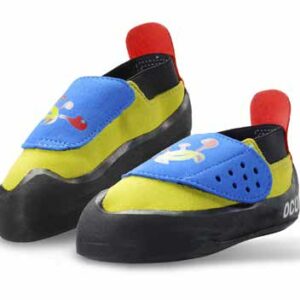
Beginner climbers should prioritize comfort and support. Shoes with a neutral shape and moderate stiffness allow longer wear without pain and help build foundational technique.
Intermediate
Intermediate climbers benefit from slightly downturned shoes that offer improved precision on smaller holds while still maintaining reasonable comfort.
Advanced
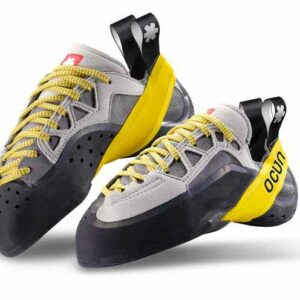
Advanced climbers often choose aggressively downturned and highly sensitive shoes. These enhance power transfer and precision for technical routes and overhangs.
2. Focus on Fit and Sizing
Fit is the most critical factor in climbing shoe selection.
- Climbing shoes should fit snugly without causing excessive pain
- Minimal empty space inside the shoe ensures better control
- Toe position should be slightly curled but not severely cramped
Most climbing shoes use EU sizing, and sizing may vary slightly depending on the model and design.
3. Choose the Right Shoe Shape
Neutral
- Flat profile
- Maximum comfort
- Ideal for beginners and long climbing sessions
Moderate
- Slight downturn
- Balanced performance and comfort
- Suitable for varied climbing styles
Aggressive
- Strong downturn
- High precision and sensitivity
- Best for overhangs and advanced routes
4. Consider the Type of Climbing
Different climbing environments require different shoe characteristics:
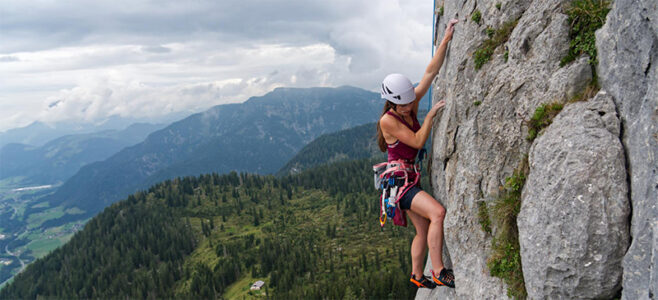
- Indoor / Gym Climbing → Comfort + versatility
- Sport Climbing → Precision + edging ability
- Bouldering → Sensitivity + flexibility
- Multi-pitch / Long Routes → Comfort + durability
5. Materials and Closure Systems
Materials
- Leather → Stretches over time, adapts to foot shape
- Synthetic → Maintains shape, more consistent sizing
Closure Types
- Velcro → Quick and convenient
- Laces → Adjustable and precise fit
- Slip-on → Lightweight and sensitive
6. Comfort vs Performance Balance
Climbing shoes always involve a trade-off:
- More comfort → less precision
- More performance → tighter fit
Beginners should lean towards comfort, while advanced climbers can prioritize performance.
7. Durability and Usage Frequency
If you climb frequently:
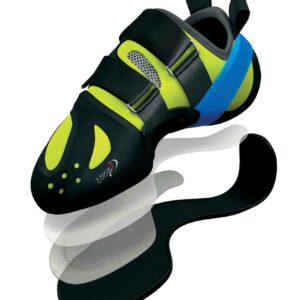
- Choose durable rubber and reinforced construction
If you are a beginner:
- A versatile, all-round shoe is more practical
Conclusion
Selecting the right climbing shoe involves balancing comfort, performance, and intended use. A well-chosen shoe enhances both confidence and progression, allowing climbers to focus on technique and movement rather than discomfort. Whether you are starting your climbing journey or refining advanced skills, the right footwear plays a crucial role in your overall experience.